
Skip to content
Sunday, March 8
  • Lifestyle
  • Travel
  • Fashion
  • Submit News
Alive

Alive

Alive

Alive

  • Politics
    • AAP
    • BJP
    • BSP
    • INC
    • Others
  • Entertainment
  • Trending
  • Lifestyle
  • Article
  • Politics
    • AAP
    • BJP
    • BSP
    • INC
    • Others
  • Entertainment
  • Trending
  • Lifestyle
  • Article
Home>>Article>>Energy Conservation Amendment Bill : India Steps To Mitigate Climate Change
Energy Conservation Amendment Bill
ArticleIndiaLatest NewsLaw

Energy Conservation Amendment Bill : India Steps To Mitigate Climate Change

Dr. Kankana DebnathAugust 17, 20220

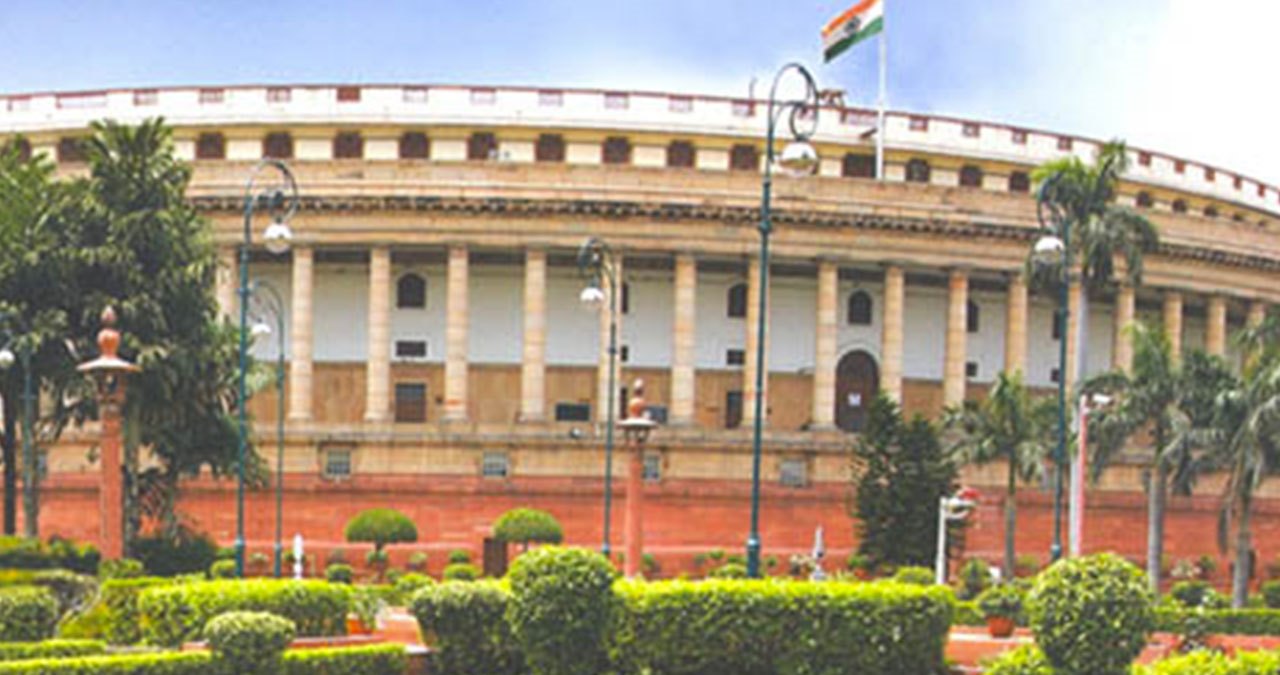
India has taken a landmark step to mitigate climate change and has reached another milestone on Tuesday, 9th August, 2022. The Lok Sabha, lower house of Parliament passed the Energy Conservation Amendment Bill (ECAB). The bill also promotes lowering carbon prints and more use of clean energy.

India is the third largest polluter after China and United States
Greenhouse gas emissions threatens the atmosphere

The Energy Conservation Amendment Bill, 2022, is being lauded as a big step for India towards achieving climate goals. The bill is a major development towards attaining India’s Nationally Determined Contributions (NDC), which are India’s commitments towards climate change action under the Paris Agreement.

The ECAB was proposed in the Lok Sabha on 3rd August and passed on 9th August. The bill aimed at ensuring greater use of renewable energy and enforcing penalties on industrial polluters for carbon emissions. The original bill was created in 2002.

The Act included energy consumption standards for equipment and appliances that consume, generate, transmit or supply energy. The Bureau of Energy Efficiency came into being under the original Act and included a governing council of up to 26 members. It provided a policy framework and direction to national energy conservation activities. It also empowered the central government to specify energy consumption standards.

The following amendments have been made under the recently passed bill. It allows the government to specify energy consumption standards. There specified consumers also need to meet a minimum energy consumption from fossil sources of energy. Failure to meet this will result in a penalty of up to 10 lakh INR.


• Obligation to use non-fossil sources of energy
• Carbon trading
• Energy conservation code for buildings
• Applicability to residential buildings
• Standards for vehicles and vessels
• Regulatory powers of SERCs
• Composition of the governing council of BEE
• The governing council members has been increased to 37.
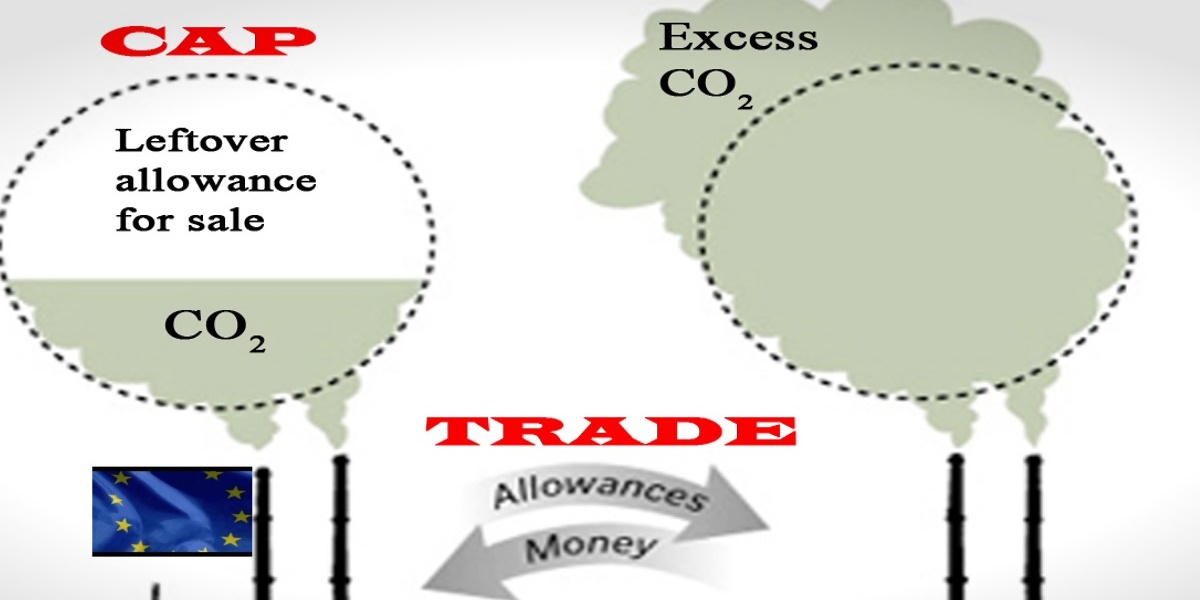
Carbon trading has been adopted as a means to reduce its footprint in the Energy Conservation Amendment Bill in the
Carbon Trading mechanism

According to the government the bill will help India achieve its climate goals, which include reducing the emissions intensity of GDP (that is, the volume of emissions per unit of GDP) by 45% below 2005 levels, as well as ensuring that about 50% of installed electric power capacity is from non-fossil sources. The bill will increase the share of clean energy sources powering India’s industries and homes. Fossil fuels such as petroleum and gas will be gradually replaced by use non-fossil sources such as green hydrogen, green ammonia, biomass, and ethanol. This will also aid in India’s pledge to reduce emissions by 45% by 2030 from its 2005 levels. India also planned to get half of its economic energy from non-fossil fuel-based energy sources by 2030. As such the government has claimed to adopt a program that encourages people to make green lifestyle changes.

During the discussions on the bill, Trinamool Congress MP Mahua Moitra pointed out that the bill doesn’t adequately address India’s future cooling needs. In the wake of global warming it is necessary to emphasize on fuels such as green hydrogen and ammonia. The bill took away the opportunities of enhancing technologies like solar power.
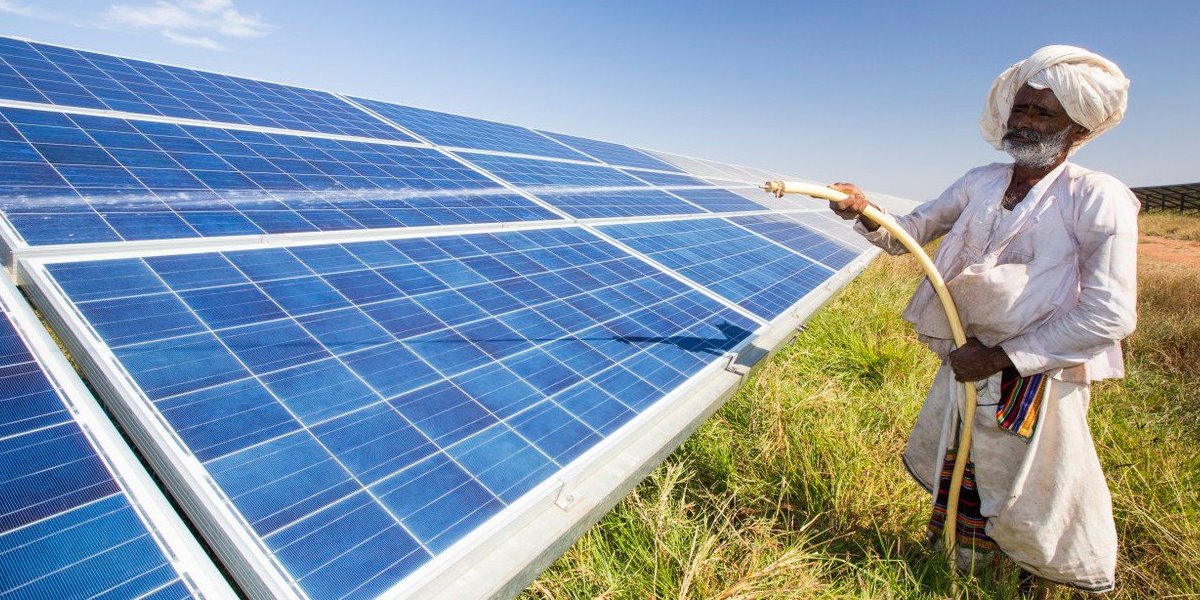
Solar panels to generate solar energy power


According to Deepak Sriram Krishnan, associate director of energy at World Resources Institute India’s infrastructure for green hydrogen and ammonia are yet to be made. It will be thus convenient to make use of the already existence solar power energy. He added that India needs a design thinking approach for passive cooling for its rising cooling need due to global warming. The bill doesn’t address this issue adequately. Moreover he stressed that the guidelines enumerated in the amendment will only be effective when it will be made enforceable right from the local level.

Related tags : carbon emissionclimate changeenergy conservation billIndialok sabha

Previous Post

India’s ‘Salaried Class’ Shrinks By 2.7 Percentage During Pandemic: Survey

Next Post

Economy, Corruption, Politics And The Path Towards New India

Related Articles

ArticleLatest NewsScience & Tech

Apple Ditches China: iPhone 14 To Not Use Chinese Camera; Know Reason!

InternationalLatest News

Somalia Bombings: India Strongly Condemns Act; Says, ‘We Are With You For A Safe, Peaceful Future’

ArticleEducationIndiaNews

Tamil Nadu: DMK Hits Out At Governor, Demands His Recalls

ArticleBJPIndiaLatest NewsNewsPoliticsTrending

Current Situation Of Kashmiri Pandits Shows Identity Politics Doesn’t Hold Relevance!

InternationalLatest NewsScience & Tech

Putin Threatens The French President Of Using The Atomic Bomb For Bringing Ukraine To Their Knees!!

Leave a Reply Cancel reply

Your email address will not be published. Required fields are marked *

Recent Posts

  • GERMANY EMERGES WITH FLYING COLOURS IN JUNIOR WC HOCKEY
  • ARGENTIA WORTHY WINNERS IN JR WC HOCKEY
  • Ravinder Indraj Singh: From Bawana To The Cabinet, Championing A Vision Of Empowerment
  • The Heirs from Political Dynasties: Pushpendra Saroj
  • The Heirs from Political Dynasties: Yugvendra Pawar
  • Heirs from famous Political Dynasties: Shreejaya Ashok Chavan
  • Heirs from Political Dynasties: Amol Haribhau Jawale
  • A TRIBUTE TO ZUBEEN GARG
  • Heirs from Political Dynasties: Sulabha Gaikwad
  • Heirs from political dynasties: Kalpana Murmu Soren
  • GERMANY EMERGES WITH FLYING COLOURS IN JUNIOR WC HOCKEY
  • ARGENTIA WORTHY WINNERS IN JR WC HOCKEY
  • Ravinder Indraj Singh: From Bawana To The Cabinet, Championing A Vision Of Empowerment
  • The Heirs from Political Dynasties: Pushpendra Saroj
  • The Heirs from Political Dynasties: Yugvendra Pawar

Popular Posts

GERMANY EMERGES WITH FLYING COLOURS IN JUNIOR WC HOCKEY

Our CorrespondentFebruary 12, 2026

ARGENTIA WORTHY WINNERS IN JR WC HOCKEY

Our CorrespondentFebruary 12, 2026

Recent Posts

  • GERMANY EMERGES WITH FLYING COLOURS IN JUNIOR WC HOCKEY
  • ARGENTIA WORTHY WINNERS IN JR WC HOCKEY
  • Ravinder Indraj Singh: From Bawana To The Cabinet, Championing A Vision Of Empowerment
  • Recent

  • Popular

  • Comments

  • GERMANY EMERGES WITH FLYING COLOURS IN JUNIOR WC HOCKEY

    Our CorrespondentFebruary 12, 2026
  • ARGENTIA WORTHY WINNERS IN JR WC HOCKEY

    Our CorrespondentFebruary 12, 2026
  • Ravinder Indraj Singh

    Ravinder Indraj Singh: From Bawana To The Cabinet, Championing A Vision Of Empowerment

    Our CorrespondentJanuary 7, 2026
  • The Heirs from Political Dynasties: Pushpendra Saroj

    Samriti DhatwaliaOctober 27, 2025
  • The Heirs from Political Dynasties: Pushpendra Saroj

    Samriti DhatwaliaOctober 27, 2025
  • Centre-Farmer Talks Today; Govt to Not Budge on Rollback of Laws

    adminJanuary 8, 2021
  • Indian firm Bharat Biotech Will Be Commencing Phase I Trials Of Intranasal Covid-19 Vaccine Candidate Next Month

    adminJanuary 8, 2021
  • Namyaa Launched Latest Range Of Menstrual Healthcare Products ‘Namyaa Life Science

    adminJanuary 8, 2021

Contact Details

Jhandewalan, New Delhi, India
+91 9810160122
[email protected]
All Rights Reserved | WordPress Theme Ultra Seven
  • Home
  • Terms & Conditions
  • Privacy Policy
  • Support
  • Copyright Policy