The recent Assembly Election in February 2025 in Delhi showed us that the numbers of female voters were more than the male voters. On 5th February, 60.92% of women voted and the number of males was 60.21%. These numbers are not new, more and more women are coming out to practice their rights. There is not much of a difference between the numbers, but seeing more women on polling day, looks like a happy picture. Progressive Results in Conservative Times India has gone through ten years of political upheaval with some indication of intensity. India's conservative movement discovered a new momentum with the arrival of the BJP in 2014. This revitalization has ignited a surge of cultural revivalism, transformed party dynamics, changed caste relationships, and an encouraged movement tow
Read MoreSamriti Dhatwalia
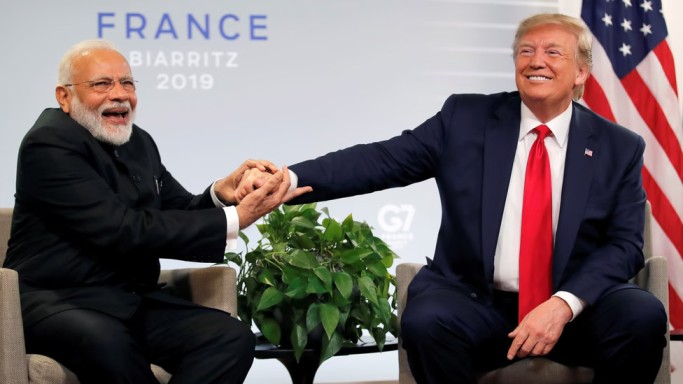
The H-1B visa program, a crucial pathway for skilled foreign workers, particularly from India, has been really interested in the issue of U.S. immigration policy. With Donald Trump’s return to the presidency following the 2024 elections, the implications for Indian professionals seeking employment in the United States are significant. This article talks about the potential changes to the H-1B visa program and its broader impacts on India during Trump's second term. What is H1B VISA ? The H-1B visa is a non-immigrant visa that allows U.S. companies to employ foreign workers in specialty occupations, primarily in fields like science, technology, engineering, and mathematics (STEM). Historically, Indian nationals have constituted a substantial portion of H-1B visa holders, making this
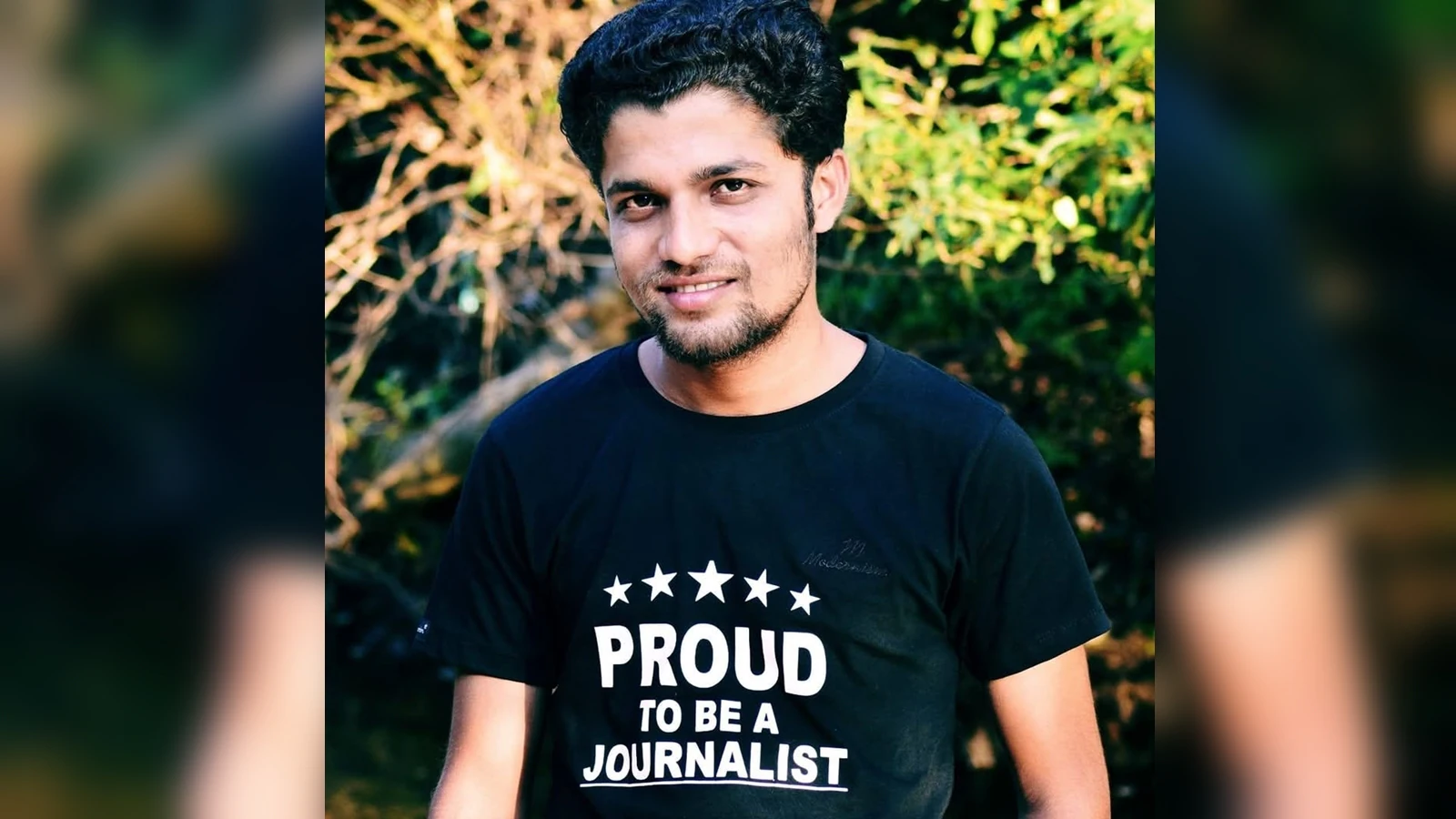
Read MoreThe death of Mukesh Chandrakar, 33 a journalist known for his investigative reporting on corruption in Chhattisgarh, has raised significant concerns regarding the safety of journalists and the state of Press Freedom in India. Chandrakar's body was discovered in a septic tank on January 3, 2025, after he went missing on 31st December 2024. The reason behind is murder is linked to his recent reports exposing corruption in local road construction projects, specifically involving a contractor who is now a prime suspect in the case. Mukesh Chandrakar was a freelance journalist. After his father’s demise in childhood, he was taking care of his mother. He did various odd jobs and during teenage years he developed a liking towards journalism. He also started a popular YouTube channel with 1.79
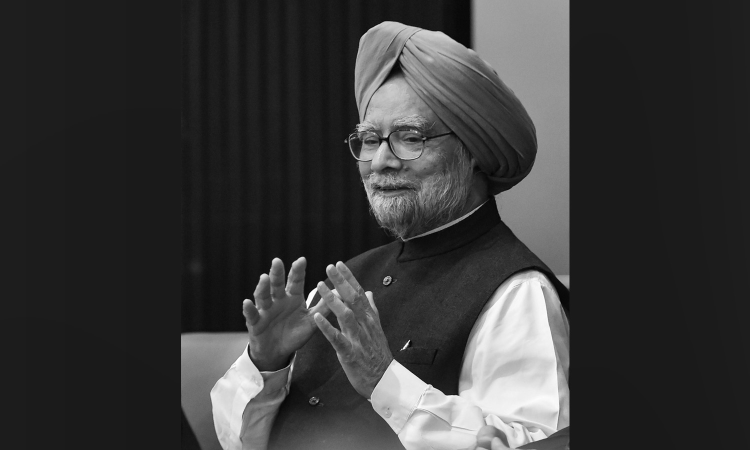
Read MoreFrom serving as an RBI Governor, to the Finance Minister, and then to the Prime Minister of India, Manmohan Singh’s tenure was full of unblemished schemes and some high profile scandals. Despite all this, there is no debate over Manmohan Singh’s place in history of Indian Prime Ministers. All the governmental schemes brought between 2004-2014, were for the development of the society and especially inclined towards women, SC/ST, and minorities. National Commission for Minorities Educational Institution, 2004 A National Commission for Minorities Educational Institution, 2004 was constituted with an aim to ensure that any person or any group of people from the minorities can open an educational institution. The commission gets its power from Article 30(1) of the constitution. There a
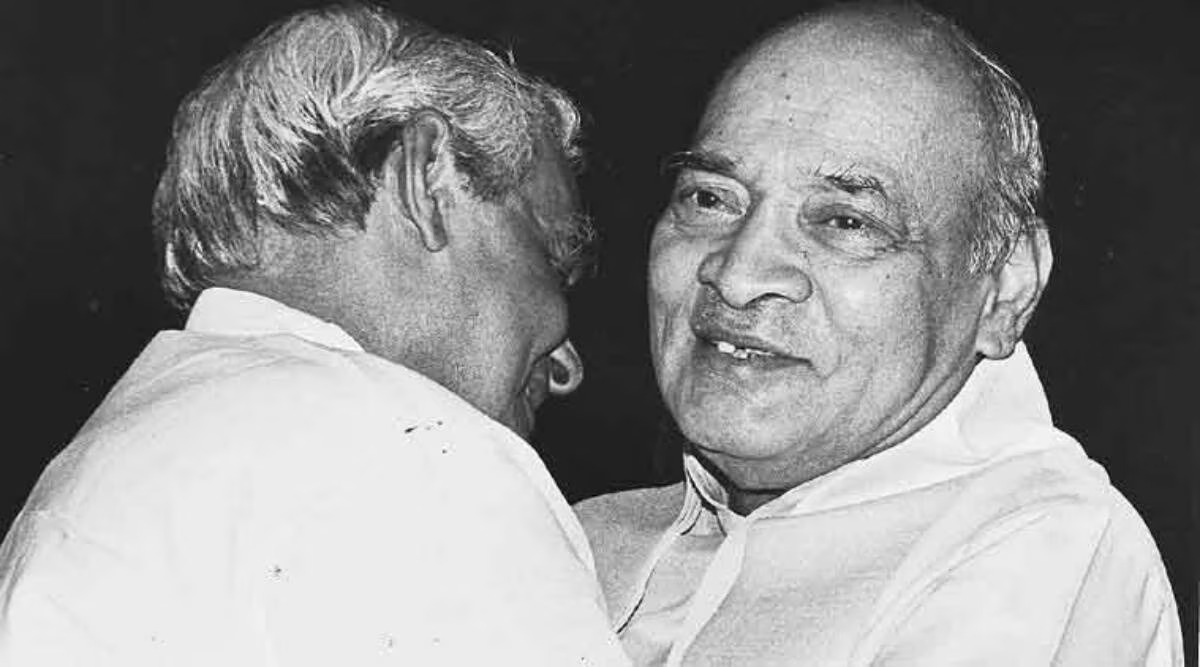
Read MoreAfter 1990 India underwent various changes. The highlight of this year was the New Economic Policy and also the changing behavior of various Hindu Organisations. Both the economic and religious structure of the nation were about to be changed. After the Bofors Scam (weapons-political scandal between India and Sweden), the Janata Dal grabbed this opportunity and took a hit at Rajiv Gandhi. This led to congress’s loss in 1989 Lok Sabha elections. But even after winning elections on the sole basis of the scandal, VP Singh’s government was not able to work towards social development and they could not even curtail corruption. One thing that occurred during this period was related to reservations to the backward committee under the Mandal Commission. But this was not accepted by the Brah
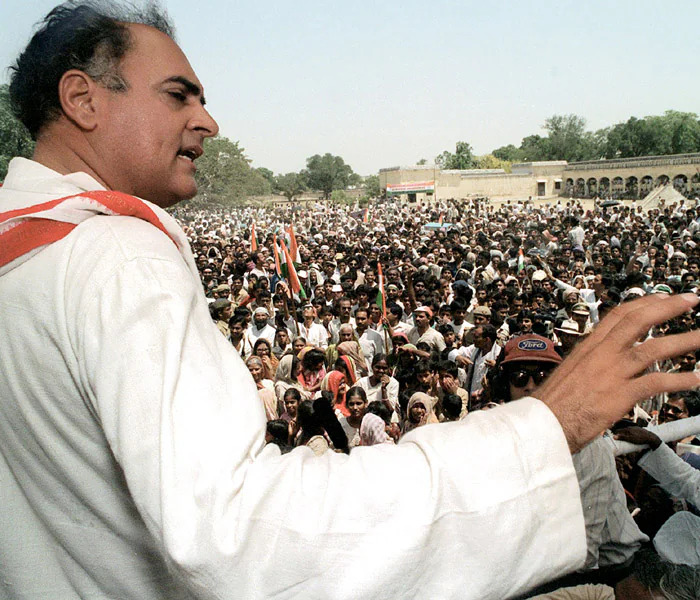
Read MoreRajiv Gandhi was an ordinary pilot for Indian Airlines, content in his marriage to Sonia Gandhi and had no desire to enter the world of Indian politics. However, destiny had different plans for him. Following his mother’s assassination on October 31, 1984, he was officially appointed as the Prime Minister of India. Because he was unaware of the country's realities, we observe that Rajiv did not meet the criteria of being a great Prime Minister. He lacked a close bond with the community, and his developmental policies were also quite ineffective. His classmates noted that his bookshelves featured titles focused on science and engineering rather than those on philosophy, politics, or history. But his idea of governance surely included women empowerment. He was extremely sure
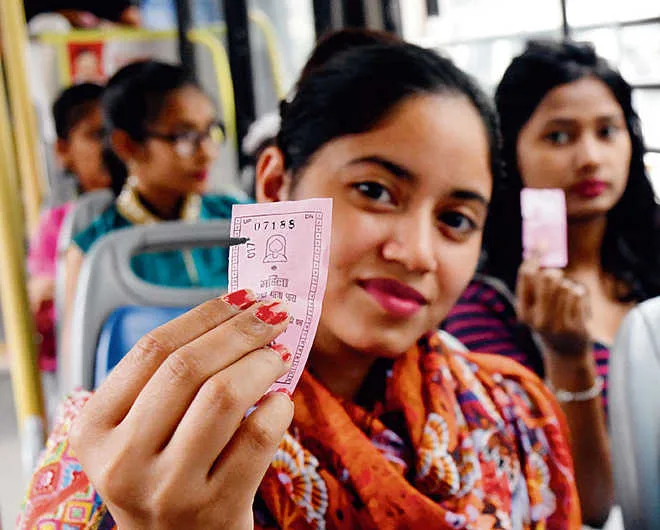
Read MoreIn 2019, Arvind Kejriwal, the former Chief Minister of Delhi, declared that women will travel free of cost in Delhi Metro and DTC buses. This proposal was not received enthusiastically, but following the election victory, the Delhi Cabinet approved this legislation and on 23rd October 2019, on the occasion of Bhai Dooj. DTC received approval, while the Delhi metro was not ensnared by the Delhi government's strategy to attract votes. Different voices were travelling in the society about this decision. Some men talked about why only women whereas some talked about the cheap tactics of Delhi government to attract votes. But even after all the protests and concerns, it was rolled out and till date many women are travelling with their pink tickets in the buses. According to the government
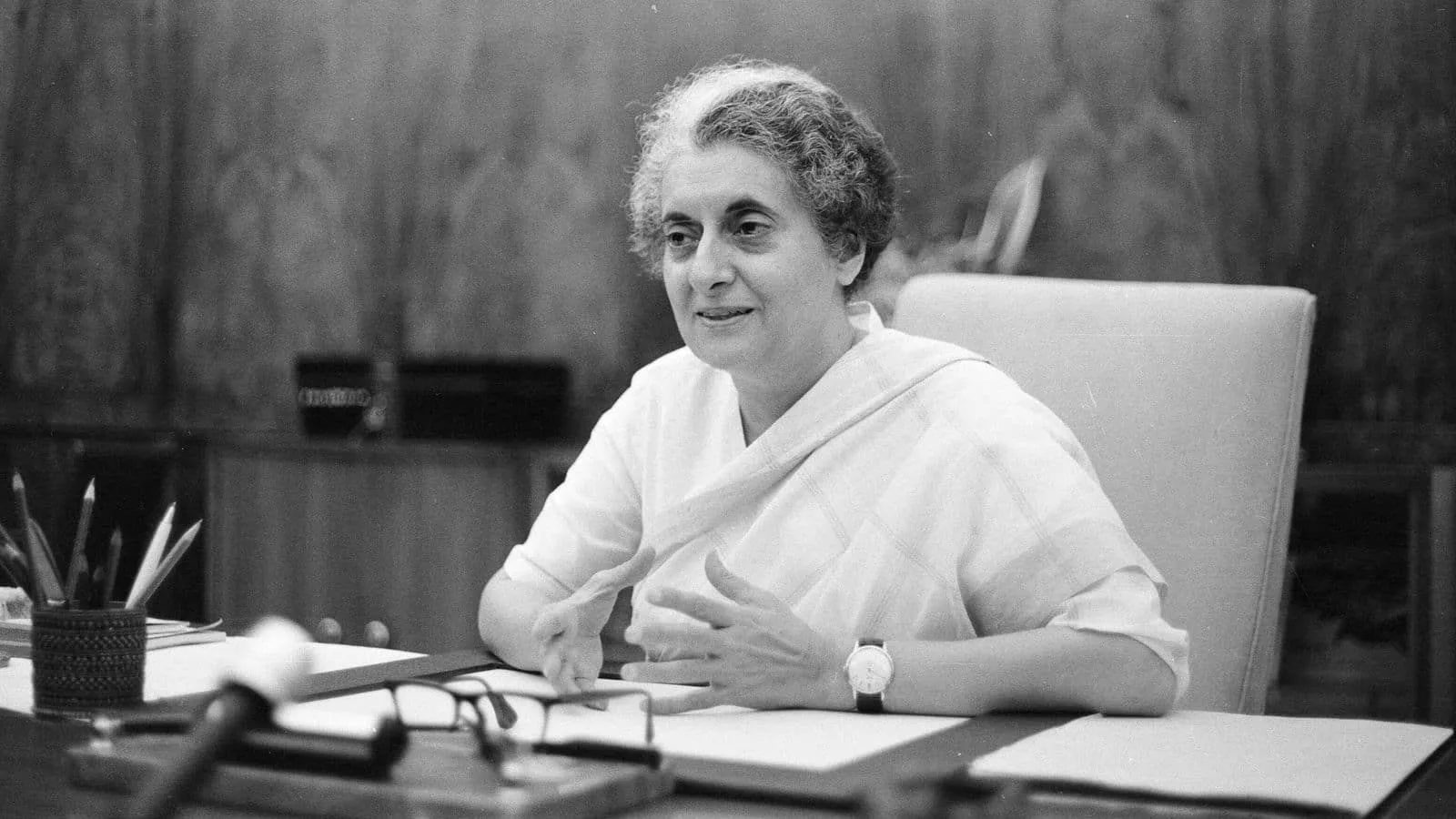
Read MoreNehru as the first Prime Minister of India, left a great imprint on the newly independent nation. He realised the potential of India, and worked towards making it a great nation. Being a grassroot leader, he knew his ground, his people, so he never worried about votes for his party, but he worried about the country. But after his sudden demise in 1964, a void was created in the political scenario of India. This void was then filled by Lal Bahadur Shastri, the second Prime Minister, an extremely simple man who came into limelight after India’s success in the India-Pakistan war 1965. His slogan Jai Jawan Jai Kisan, still reverberates through the hearts of Indians. But he also passed away in Tashkent, and Indira Gandhi, Nehru’s daughter became the Prime Minister of India in 1966. She was not
Read MoreThe Legacy of the Nehruvian Era: Pioneering Inclusive Democracy and Social Justice in Post-Independence India
After India’s Independence, both Ambedkar and Nehru, were of the point of view that people of Independent India should have voting rights, as well as the right to contest elections. Their idea was to bring inclusive democracy in India. A democracy where people have the right to choose their representatives, to overcome the tortures of the Britishers, who were not their chosen leaders. Therefore, they came up with the Representation of People’s Act 1951. Before this act, only people with property and certain caste backgrounds were allowed to contest elections, but this act was a gift to the underprivileged. This act was not something given by the Britishers, but it was Nehru and Ambedkar who came up with this act. From then till 2024, all the general elections took place under this act.
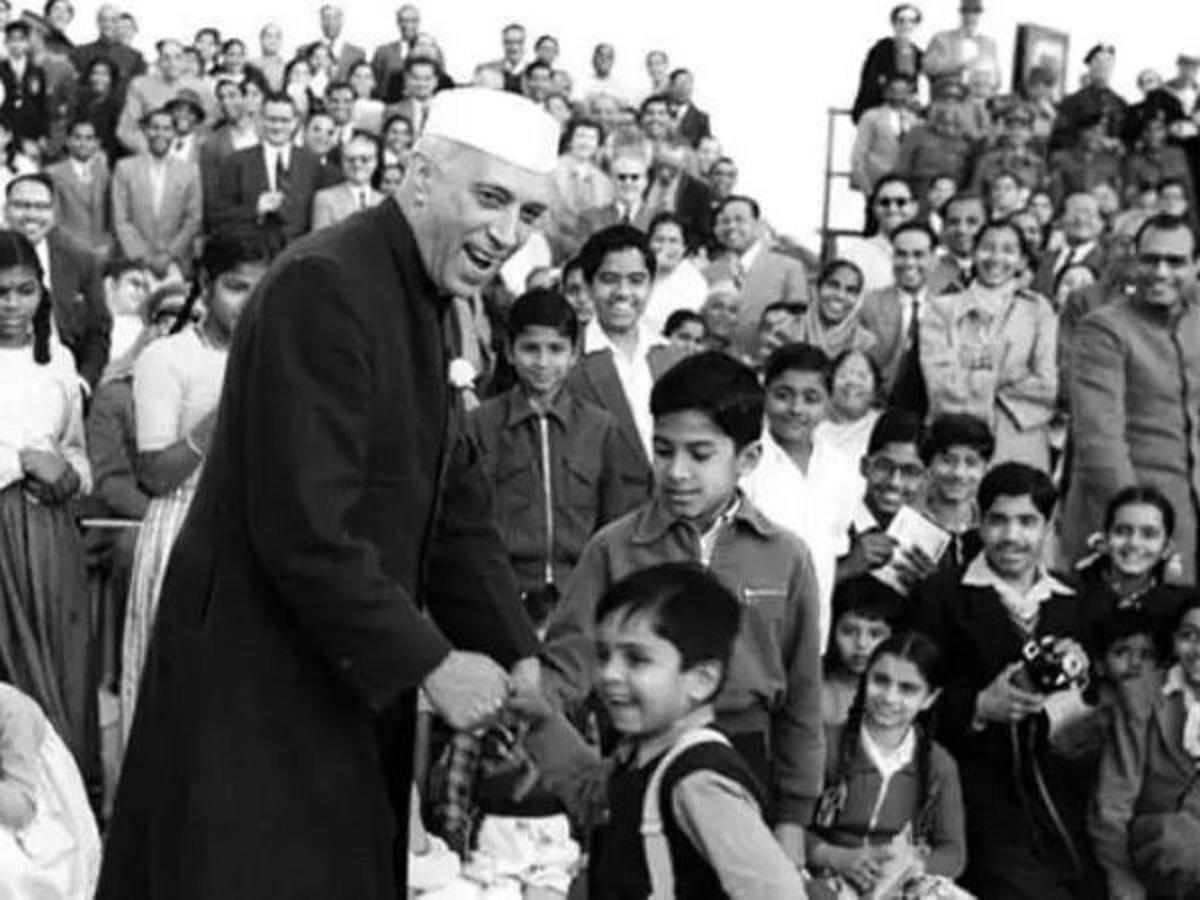
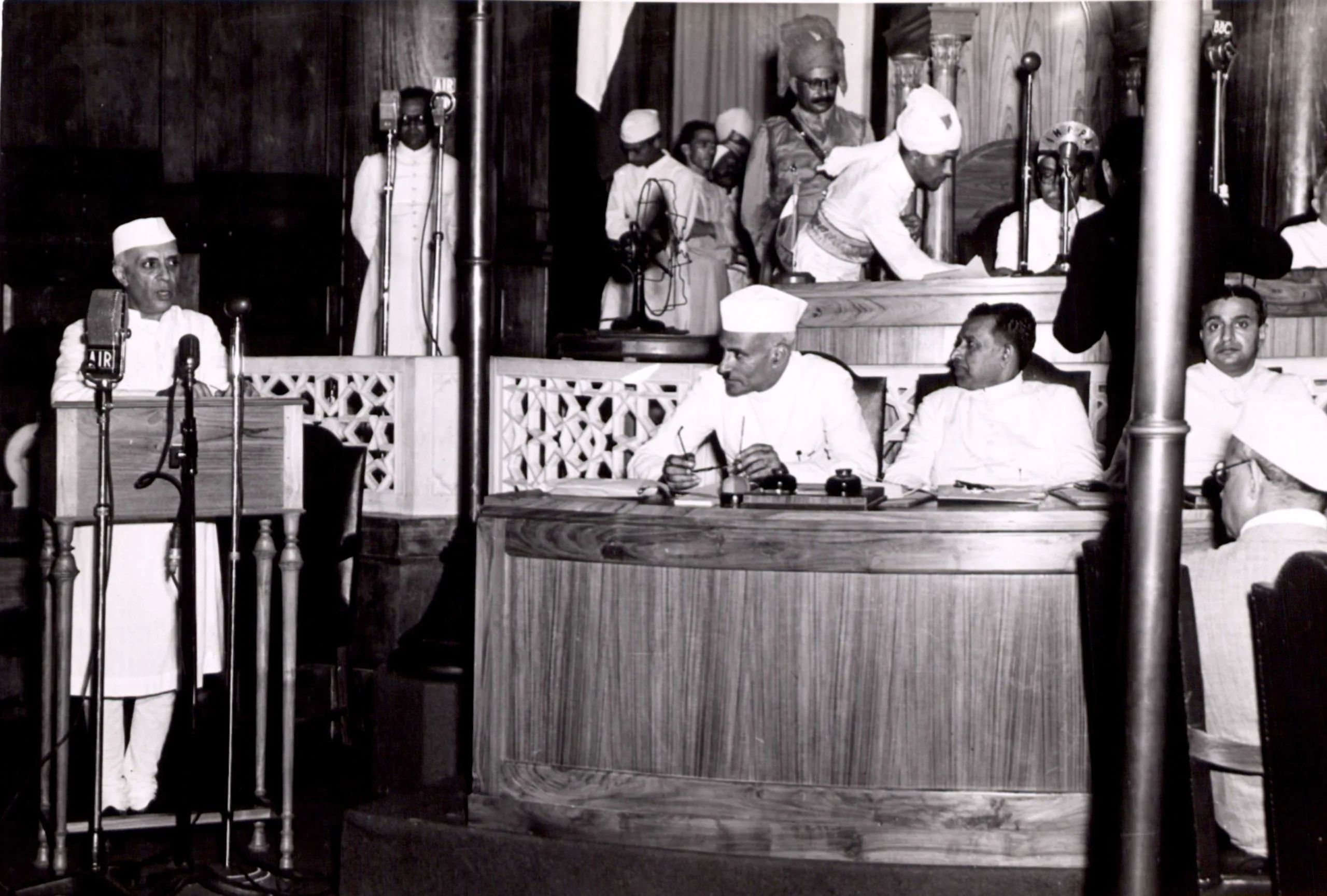
Read MoreThe Nehruvian Era: Part 1 The first Prime Minister of India, Jawaharlal Nehru mesmerized the world with his most famous speech Tryst with Destiny on the eve of India’s independence. His speech showed us his ideas for the nation. We learnt how he wished to see India, and every single word of his justified why it was very important to fight to foreign enemy. His words guided us that power and freedom comes with a lot of responsibility, and one should not take it for granted. Another aspect of this freedom was the partition of British India into India and Pakistan. India and Pakistan were born out of India’s Independence Act 1947, under Governor General Lord Mountbatten. These two newly born independent countries had leaders which were very similar in terms of personality. Both le
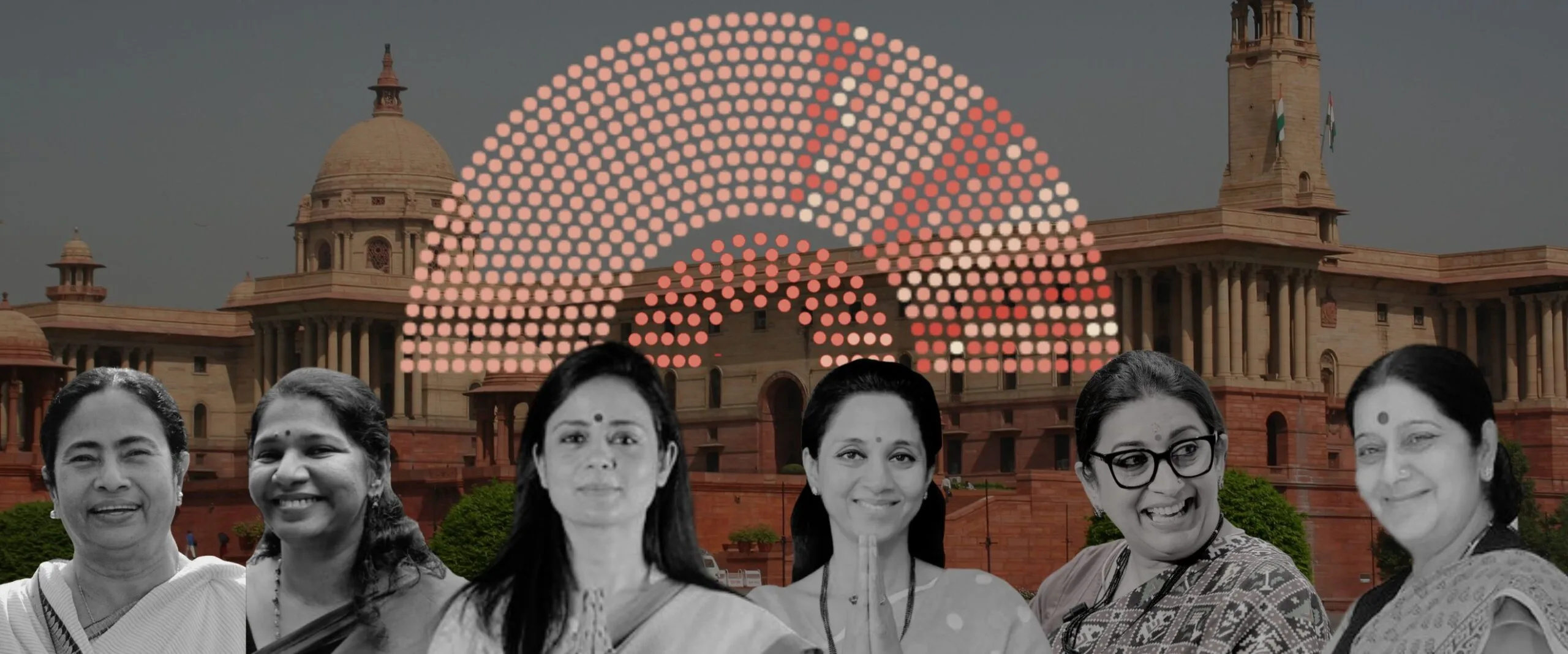
Read MoreVerbal Violence against women poses a great challenge to democracy. Today women have the access to powerful positions where they can shine their leadership. Despite these significant strides in entering political spaces, they still face disrespectful treatment, sexist comments, and harassment to depreciate their position in a political setting. These traits reflect broader gender inequality and power dynamics in political institutions. There have been various instances which show us that misogyny is so deeply ingrained into our political system, that somehow it forms the core of Indian Politics. Indian Parliament has shown us everything, from sexist comments passed onto female parliamentarians to keeping them outside the important decision making process.
Read More