
Agnipath has been baptised by fire and named a 'Agnipariksha' by the Indian government before its publication. Many worry that the proposal's 'out-of-the-box' nature would harm the military forces' culture. Enlistment policy revisions To understand what the future holds and whether the Agnipath is revolutionary, consider the military's past recruitment practises. Socioeconomically similar persons are widespread in the military. In 1977, the maximum number of years a soldier may serve was raised from seven to seventeen. Seven-year active-duty soldiers won all key army battles. In the past, warriors were recruited solely on physical ability. In the 1980s, a written test was created to examine reading and writing skills. Comparatively, the new recruits' literacy levels were inconsist...
Read MoreTag: agnipath recruitment scheme
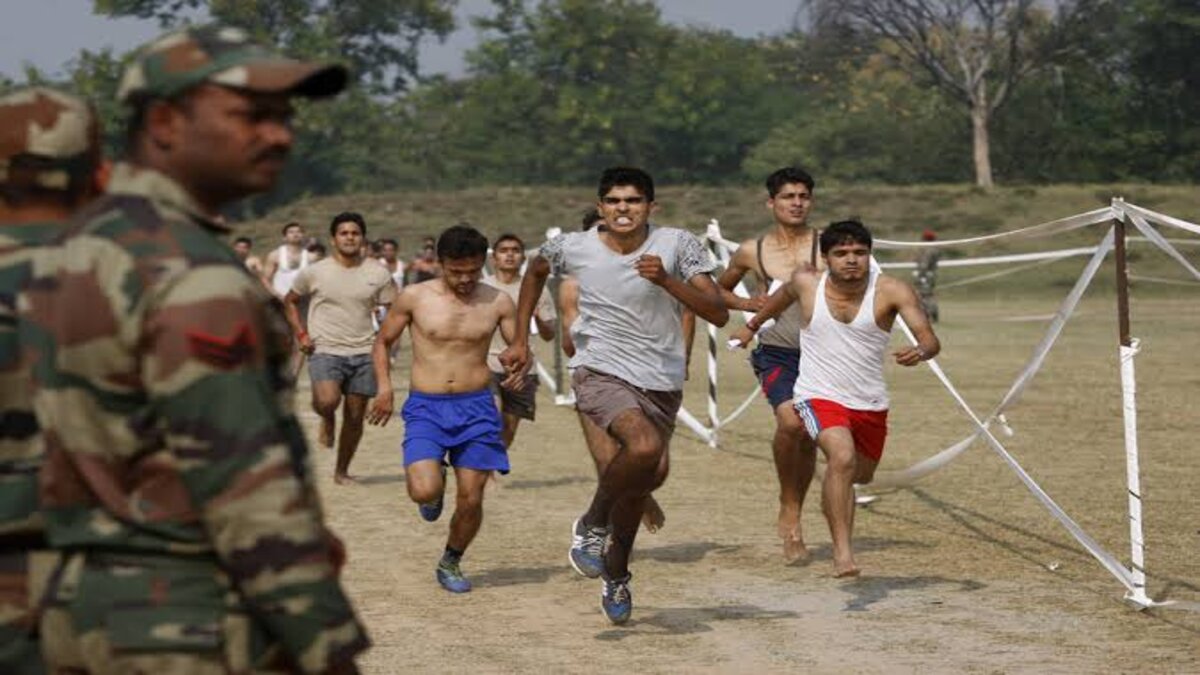
Agnipath Agitation: What Is Causing Angst Among Youth Over New Armed Forces Recruitment Scheme?
Union government has recently rolled out the Agnipath scheme to recruit soldiers in the Armed forces for the duration of four years. The recruitment drives will be organised for youth aged between 17.5 to 21 years directly from their educational institutions. The scheme has, however, failed to make a mark among youth aspirants and they have been registering their protests. They have turned violent in some places across the country, especially in Bihar. Many are believing the scheme aims to curtail the financial benefit, including the pension system. The BSP chief Mayawati had earlier said in a tweet that the "uneasiness spread among the youth regarding the new recruitment system in the army is causing anxiety" amid rising inflation, unemployment and poverty. Real cause of anxie
Read MoreAgnipath Recruitment Scheme Likely To Transform Defence Sector; Does It Have Organisational Flaw?
Under the new Agnipath Pravesh Yojna recruitment drive, soldiers to be called Agniveers (literally, fire warriors) are going to be recruited for a three-year tour of duty with no pension entitlement but with the promise of yet to be specified ‘assistance’ in getting post-discharge employment. Battle or ‘attributed to military service’ casualties are treated at par with regular soldiers. a hard and fast percentage from such intake is going to be absorbed as regular soldiers on merit. The primary motivation for this scheme is the reduction of the burgeoning pension bill of the military. Additional advantages cited are reducing the age profile of the armed forces, improving career prospects of normal soldiers, strengthening the society with military connections, instilling sterling mili...
Read More
