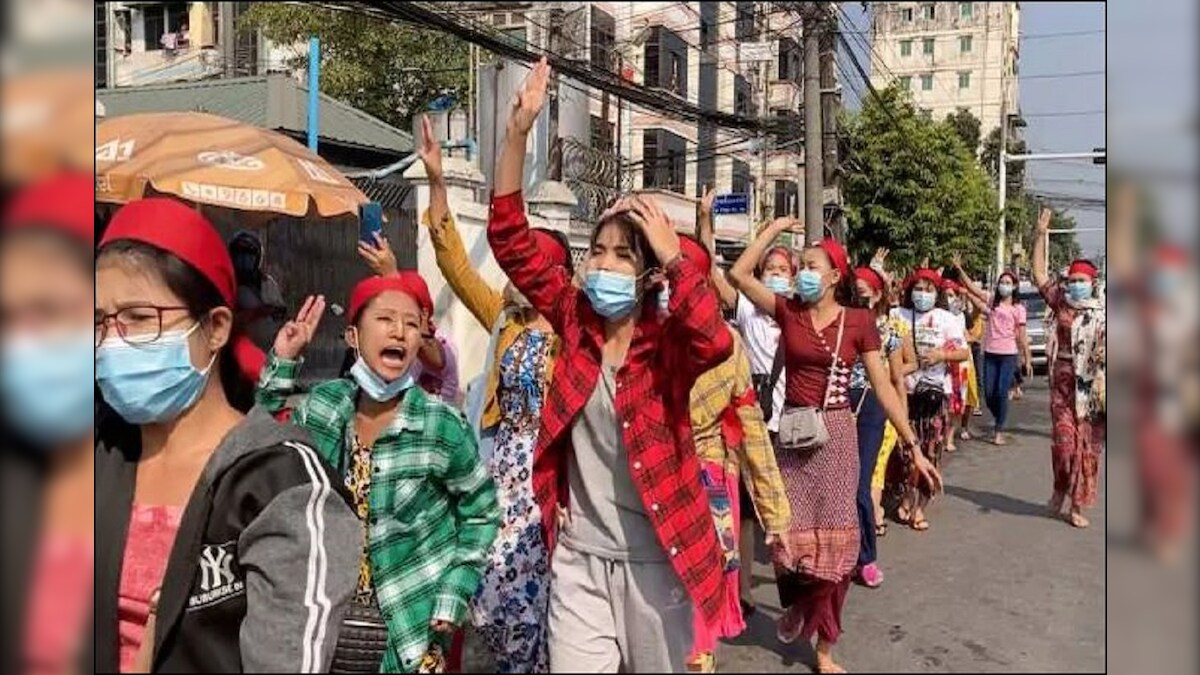

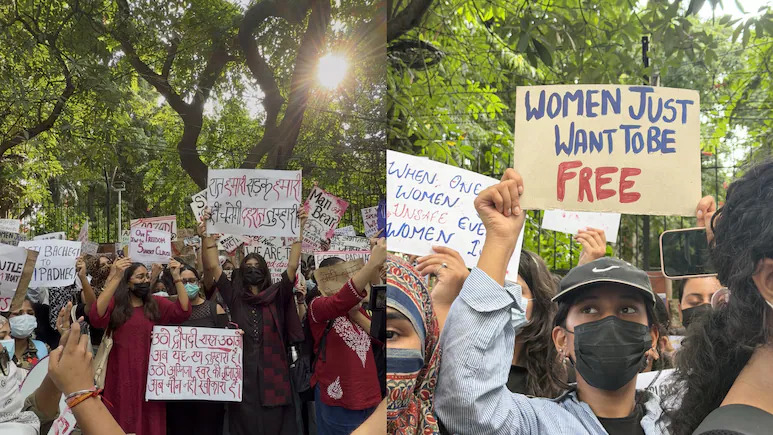
Women in a patriarchal society are often made to feel inferior. Equality never puts anyone down, and treating everyone equally should never make anyone feel less valued because of their gender. Human beings want to live with a sense of freedom and dignity, but cunning and cruel people still exist. Why do women need to constantly think about their safety? If the world is meant to be human to human and human for human, then where do these devils come from? Should women stop going out alone at night? Are women’s clothes really the concern?
Of course not. Then what is lacking? Is it awareness or education among men about how to treat women? Shouldn’t families and society teach boys and men how to respect and treat women? The simplest thing is to treat her as a human being—with dignity and respect. The outrage over the increasing cases of rape has once again shaken women and forced society to think about the issue of women’s safety.
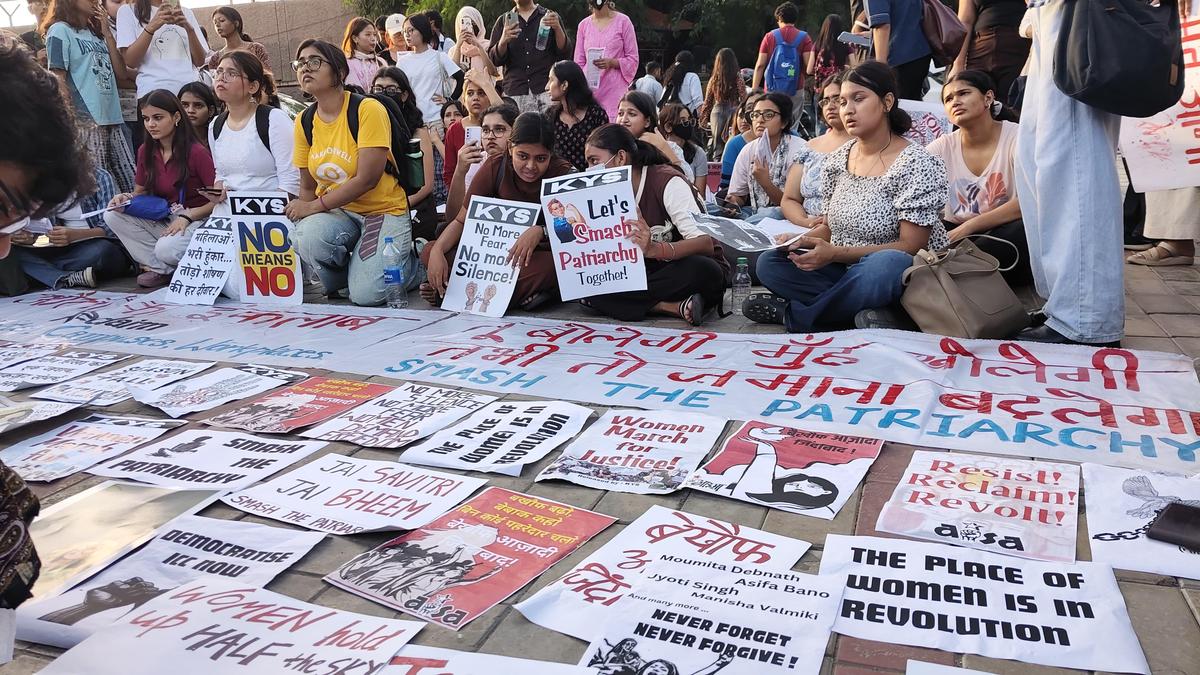
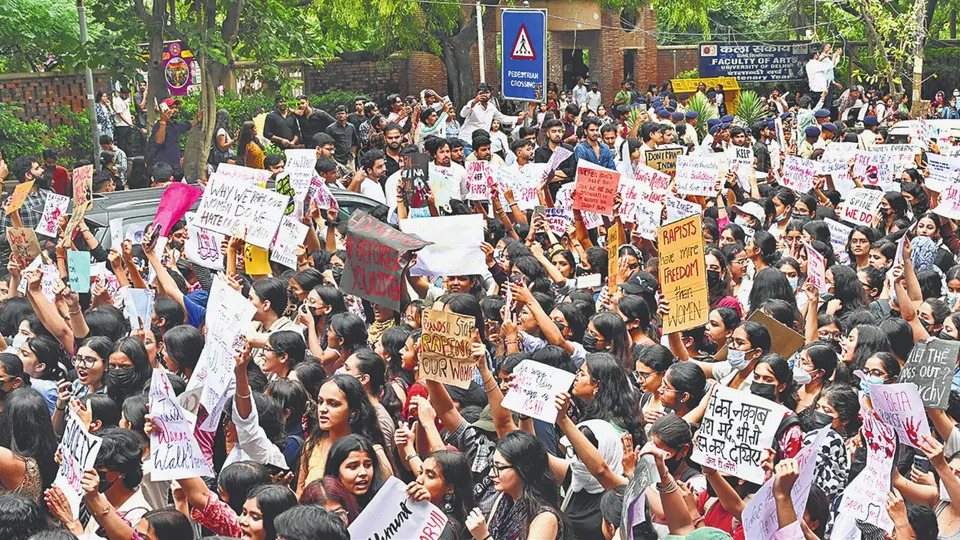
Women came forward for women’s safety, and recently hundreds of people assembled in a calmly march held by Miranda college in Delhi on September 28, 2026 under the banner, ‘Hum Auratein Azad hai.’ Moreover, Lady Shri Ram College students resumed offline classes amid protests over the alleged gang rape of a teenager near the college. The protest open to women and queer participants was the current episode in an outcry asking for women’s safety along with strict actions against the perpetrators.
Protestors shared their deep instilled fear for their safety irrespective of the time of the day and the need to protest for justice following the recent cases emerging across the country. The biggest question is when will the day come when women feel safe in this society. Is Delhi becoming an unsafe city for women now?
When women have to think twice before walking home, even while using public transport or sitting in a public space or park, can we really call them free? A solidarity march by Delhi University students has over again brought this uncomfortable question into focus.
On September 28, women students from several Delhi University colleges gathered for a solidarity march under the message “Hum Auratein Azaad Hain” — We, the women, are free. The march came in the aftermath of the alleged gang rape of a 17-year-old girl at Aastha Kunj Park in Delhi’s Kalkaji area, and highlighted growing concerns about women’s safety in public spaces.
The march was organised independently by students and was open to women and queer participants. Students walked from Miranda House towards the Faculty of Arts, carrying placards and raising slogans about freedom, safety and the right to occupy public spaces without fear. Reports said the protest was the third and largest such demonstration by DU students within a week.
A protest beyond one incident
The Aastha Kunj Park case has raised fresh concerns about women’s safety in public spaces. According to police reports, a 17-year-old girl was allegedly assaulted inside the park on September 21. Police said three men allegedly posed as police personnel and took the teenager to a secluded area of the park. All three accused were later arrested during the investigation.
The Delhi Commission for Women took suo motu cognisance of the case and sought a detailed report from the police. Also a case came out of a teenage 16 year old girl who gang raped in the sleeper bus in Noida to Delhi. Is Delhi safe for women now? Or all the creepers or perverts are found or roaming around in Delhi? The answer to this question is unanswered. Society raises its voice and forget after sometime. Is women the only reproduction source? What is the government and law doing in this matter?
Rape case is not that news just to make for headline or people just read and turn the newspaper page and forget.
However, for the students who marched days later, the concern went beyond one criminal case, they are countless. Their protest highlighted the fear many women experience while travelling, walking or simply moving around the city. It also raised questions about whether public spaces are truly safe and accessible for women.
“Freedom” should not come with a curfew demand young students
For many women, safety rules start at a young age: do not stay out late, avoid lonely roads, keep your phone charged, share your location and avoid travelling alone. These precautions can sometimes help, but students at the march questioned why women are always expected to adjust their lives for safety. Instead, society must ask why women are made responsible for preventing violence against themselves.
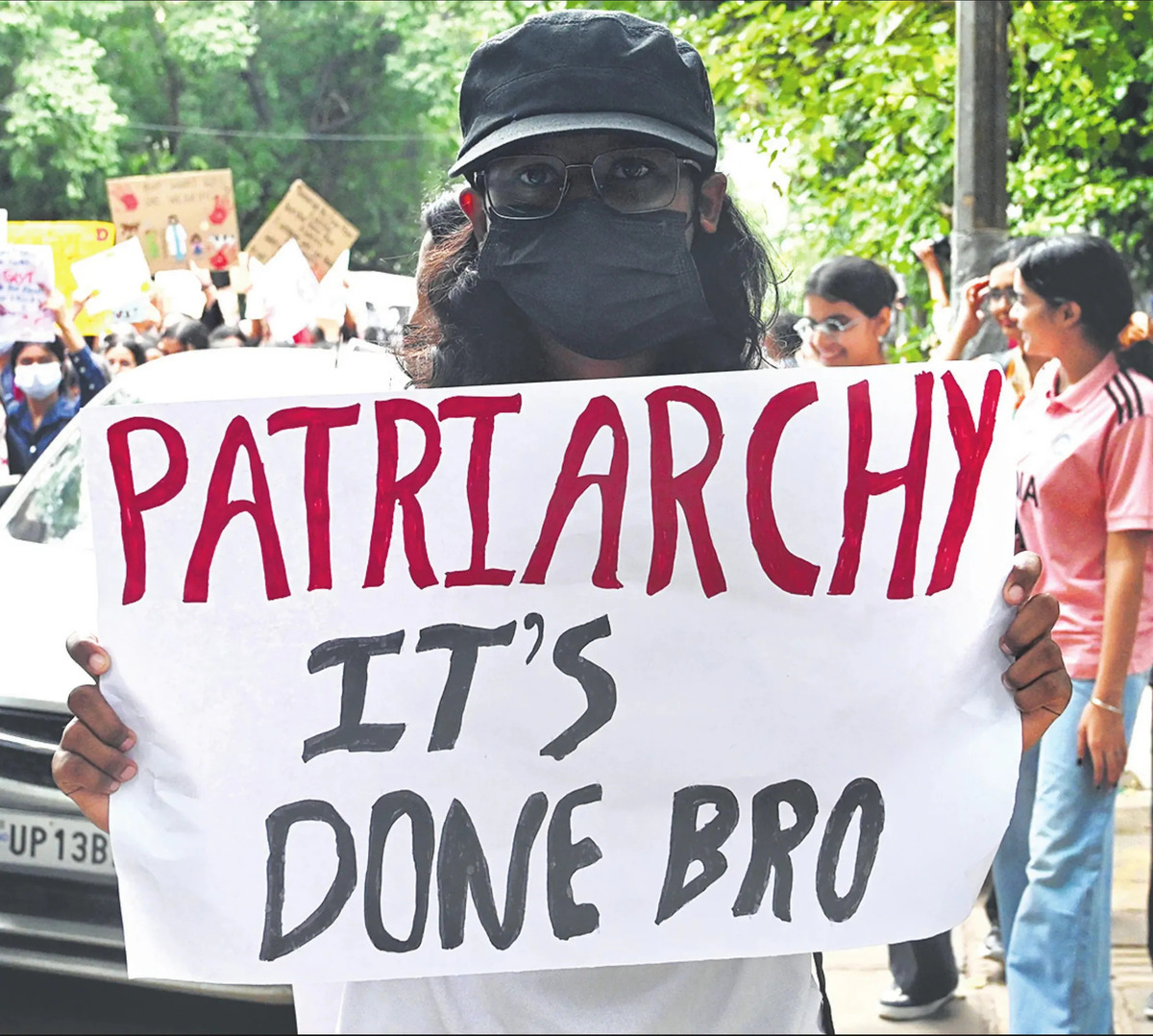
The students demanded better street lighting, easier public transport and safer public spaces. They also opposed restrictions on women travelling after dark. According to them, women should not be asked to limit their freedom because of unsafe surroundings. Instead, society must focus on making public places safer, preventing violence and ensuring that offenders are held accountable for their actions.
The city women experience now
A city may look busy and progressive, but women can experience it differently in many ways. A dark road may create fear, while an empty bus stop or deserted street can make a woman feel unsafe. Sometimes, she may call a friend or member and stay on the phone until she reaches home. Even a journey to college or work can involve checking the route, transport options and time. These worries are often ignored when we talk about freedom. For women, freedom is not just about education, jobs or independence. It also means being able to walk, travel, study, work, meet friends and return home without thinking about danger around them. Every woman deserves to move through her city without fear but with confidence and safety.
Safety Needs More Than Slogans in Society
The students’ protest also brings attention to a crucial question: what does real safety actually mean? Streetlights and CCTV cameras can make public places safer by improving visibility and monitoring. Regular police patrolling can help people feel more secure. Better and reliable public transport can reduce the risks faced by women while travelling. However, these steps alone cannot solve the larger problem.
There is also a need to teach gender sensitivity and make it easier for people to report incidents. Police must respond responsibly and quickly, while young people should learn about consent, respect and personal boundaries from an early age. Following protests by students of Lady Shri Ram College, the college administration and students’ union were reported to have created a WhatsApp channel connecting students with senior police officers for reporting incidents.
Police presence was also increased around parts of the campus, along with efforts to improve street lighting. Such steps show that safety must continue beyond protests and become part of everyday life.
“Hum Auratein Azaad Hain”
The strongest message for the society from the students is the word Azaad, meaning free. Freedom should not only mean being allowed to enter or use public spaces. It should also mean feeling safe and comfortable while being there. A woman should not need to explain why she is outside after sunset. If something goes wrong, she should not be blamed for not being careful enough. Most importantly, she should never be held responsible for someone else’s decision to harass, assault or harm her. Safety and freedom should belong to every woman without conditions or fear. The young women marching through Delhi’s North Campus raised an important question: If women cannot move freely without fear, can we really call them free? “Hum Auratein Azaad Hain” is not just a protest slogan. It is a reminder that women deserve to live, travel and step out without constantly worrying about their safety.
Every woman should be able to make her own choices and live her life freely, without being told when to stop.