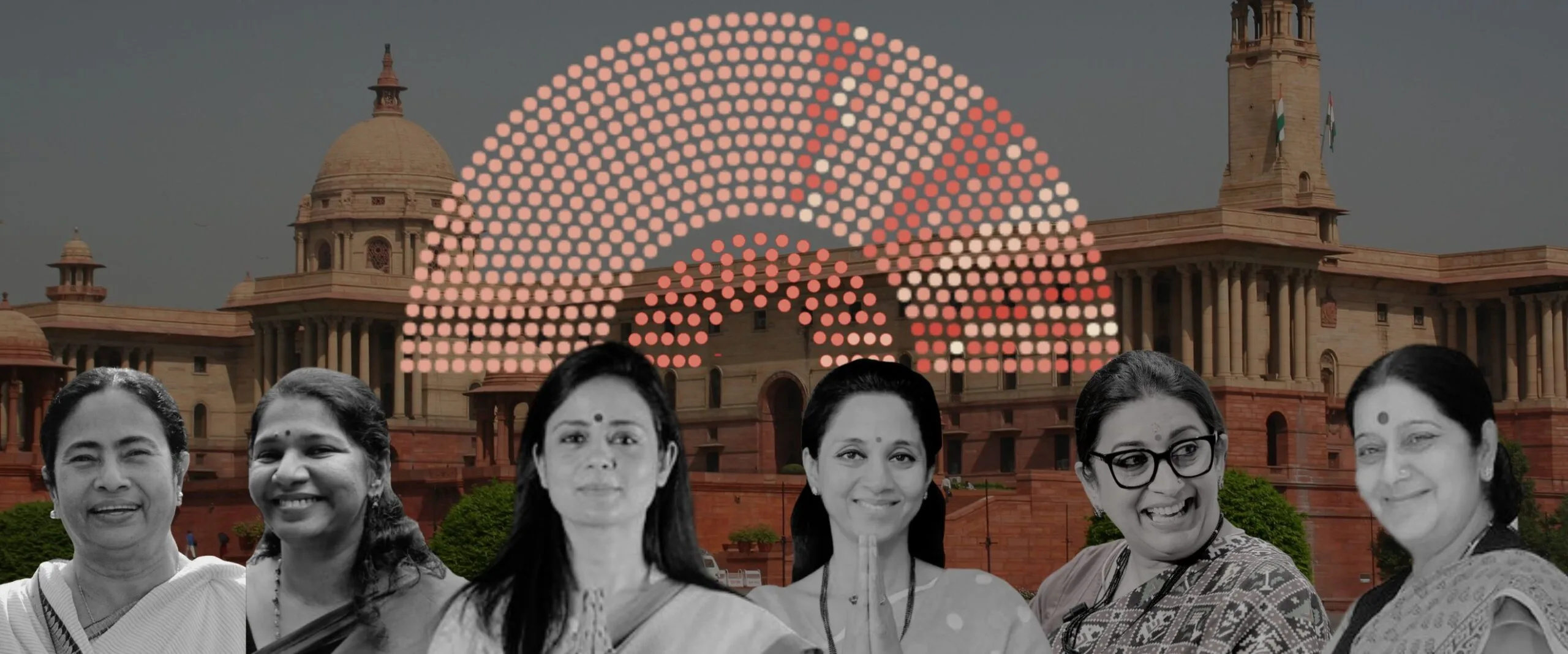

The recent Assembly Election in February 2025 in Delhi showed us that the numbers of female voters were more than the male voters. On 5th February, 60.92% of women voted and the number of males was 60.21%. These numbers are not new, more and more women are coming out to practice their rights. There is not much of a difference between the numbers, but seeing more women on polling day, looks like a happy picture. Progressive Results in Conservative Times India has gone through ten years of political upheaval with some indication of intensity. India's conservative movement discovered a new momentum with the arrival of the BJP in 2014. This revitalization has ignited a surge of cultural revivalism, transformed party dynamics, changed caste relationships, and an encouraged movement tow
Read MoreCategory: Politics
After 1990 India underwent various changes. The highlight of this year was the New Economic Policy and also the changing behavior of various Hindu Organisations. Both the economic and religious structure of the nation were about to be changed. After the Bofors Scam (weapons-political scandal between India and Sweden), the Janata Dal grabbed this opportunity and took a hit at Rajiv Gandhi. This led to congress’s loss in 1989 Lok Sabha elections. But even after winning elections on the sole basis of the scandal, VP Singh’s government was not able to work towards social development and they could not even curtail corruption. One thing that occurred during this period was related to reservations to the backward committee under the Mandal Commission. But this was not accepted by the Brah
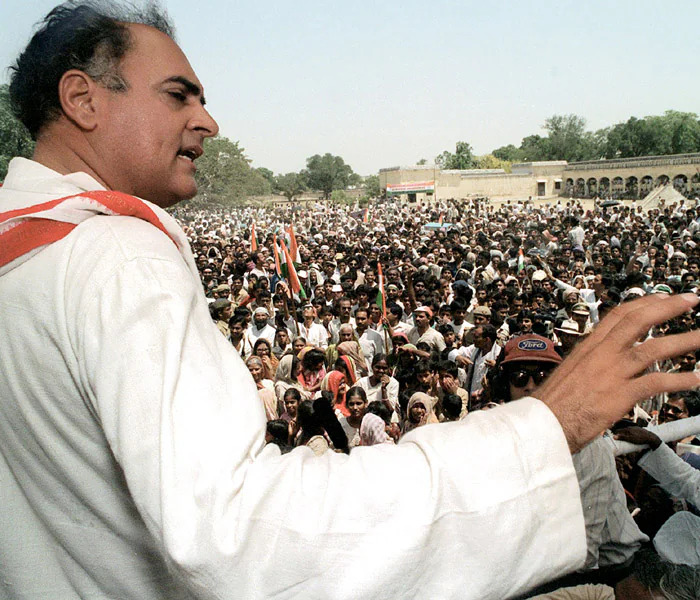
Read MoreRajiv Gandhi was an ordinary pilot for Indian Airlines, content in his marriage to Sonia Gandhi and had no desire to enter the world of Indian politics. However, destiny had different plans for him. Following his mother’s assassination on October 31, 1984, he was officially appointed as the Prime Minister of India. Because he was unaware of the country's realities, we observe that Rajiv did not meet the criteria of being a great Prime Minister. He lacked a close bond with the community, and his developmental policies were also quite ineffective. His classmates noted that his bookshelves featured titles focused on science and engineering rather than those on philosophy, politics, or history. But his idea of governance surely included women empowerment. He was extremely sure
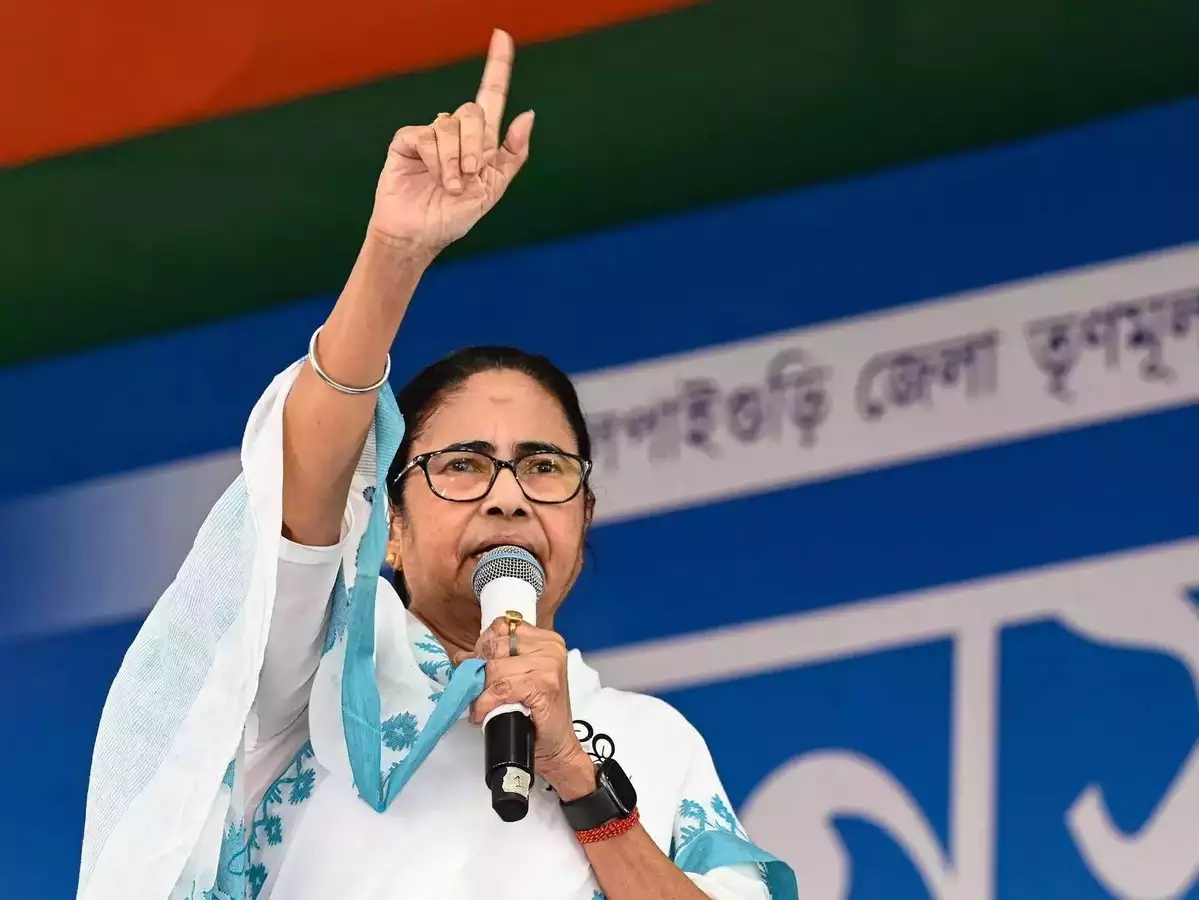
Read MoreAs one of India’s longest-serving female Chief Ministers, Mamata Banerjee has undeniably carved a place for herself in the political landscape of West Bengal and the nation. Banerjee’s initial struggle as a woman representative not only brought her to power but also opened the doors for other women to rise in the ranks within her party, the Trinamool Congress. Despite critics lauding her women-centric schemes, with promises of upliftment, financial support and security for women, the reality on the ground tells a more complex story. While women lawmakers from her party have gained prominence, the stark contrast between the progressive promises and the on-the-ground realities for women—ranging from rising crime rates to socio-economic challenges—raises critical questions about the true i...
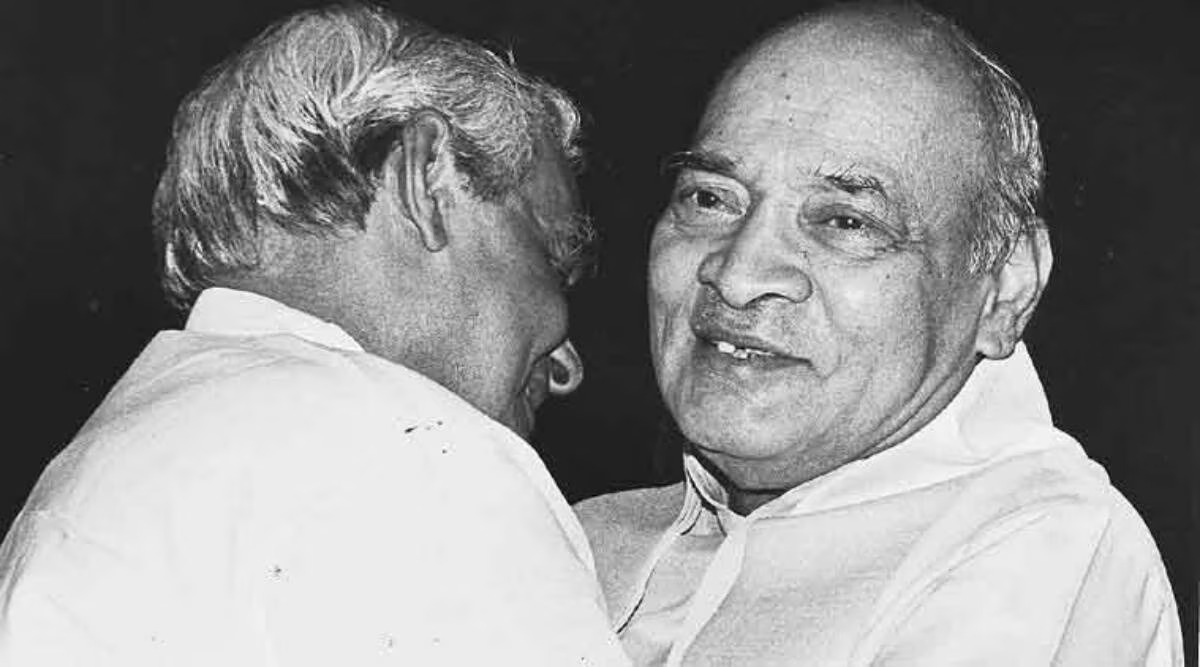
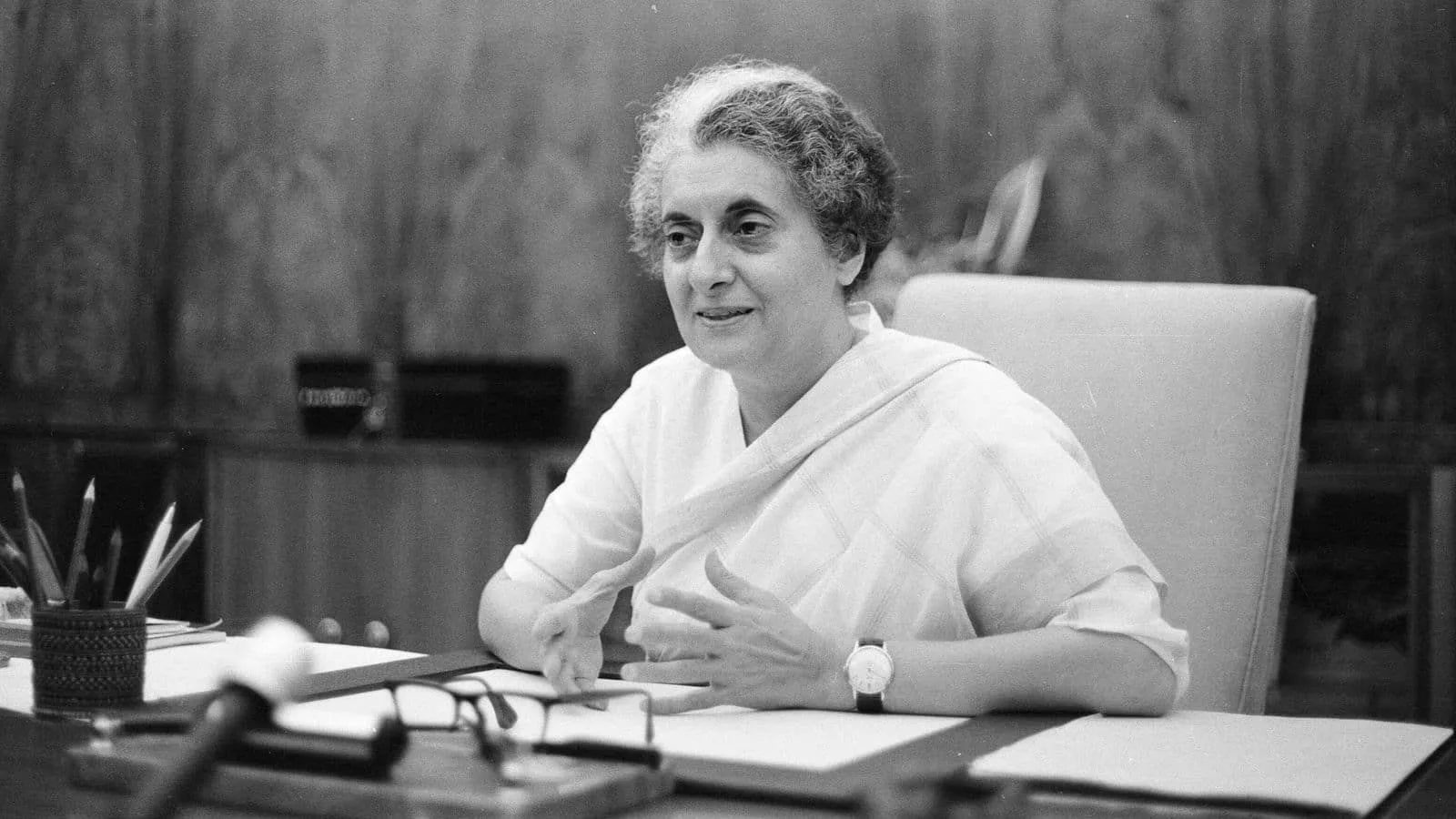
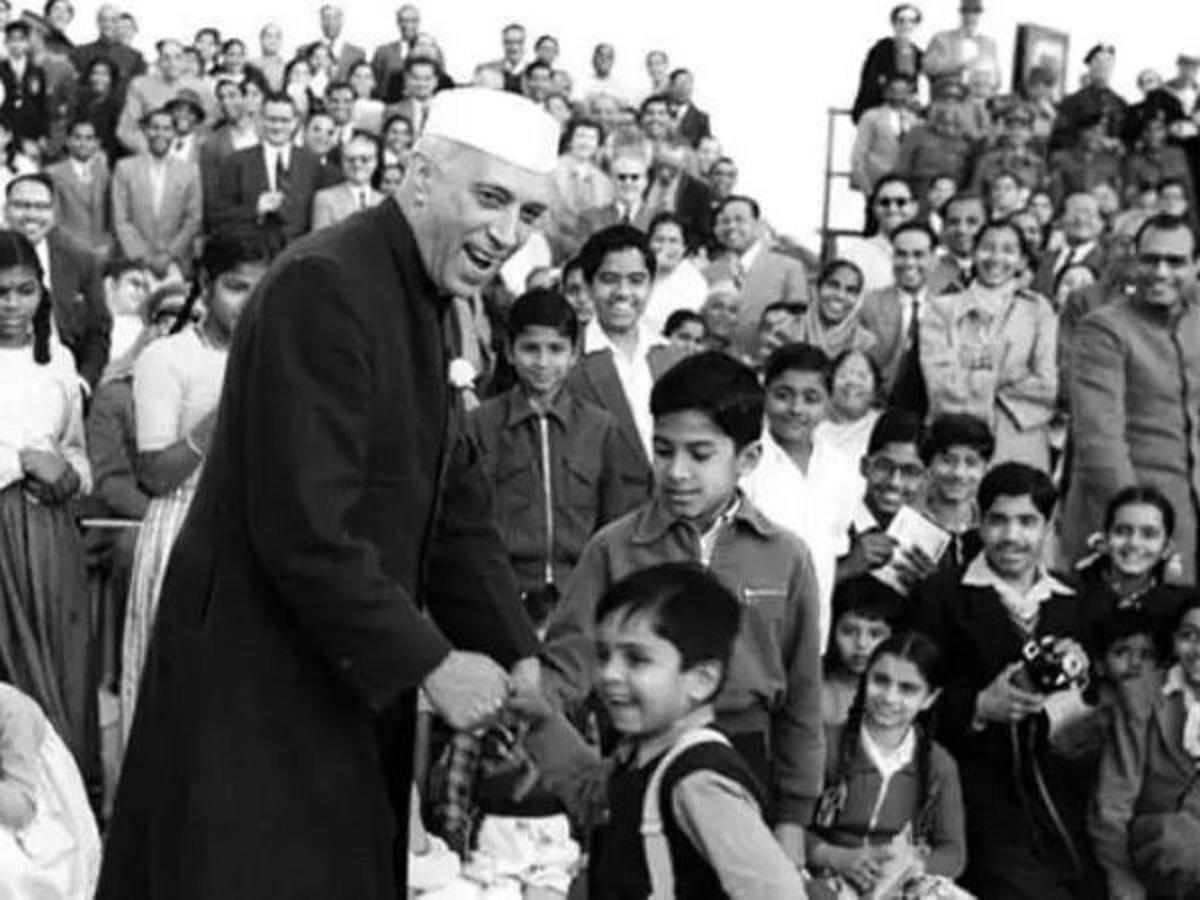
Read MoreNehru as the first Prime Minister of India, left a great imprint on the newly independent nation. He realised the potential of India, and worked towards making it a great nation. Being a grassroot leader, he knew his ground, his people, so he never worried about votes for his party, but he worried about the country. But after his sudden demise in 1964, a void was created in the political scenario of India. This void was then filled by Lal Bahadur Shastri, the second Prime Minister, an extremely simple man who came into limelight after India’s success in the India-Pakistan war 1965. His slogan Jai Jawan Jai Kisan, still reverberates through the hearts of Indians. But he also passed away in Tashkent, and Indira Gandhi, Nehru’s daughter became the Prime Minister of India in 1966. She was not
Read MoreThe Legacy of the Nehruvian Era: Pioneering Inclusive Democracy and Social Justice in Post-Independence India
After India’s Independence, both Ambedkar and Nehru, were of the point of view that people of Independent India should have voting rights, as well as the right to contest elections. Their idea was to bring inclusive democracy in India. A democracy where people have the right to choose their representatives, to overcome the tortures of the Britishers, who were not their chosen leaders. Therefore, they came up with the Representation of People’s Act 1951. Before this act, only people with property and certain caste backgrounds were allowed to contest elections, but this act was a gift to the underprivileged. This act was not something given by the Britishers, but it was Nehru and Ambedkar who came up with this act. From then till 2024, all the general elections took place under this act.
Read MoreVerbal Violence against women poses a great challenge to democracy. Today women have the access to powerful positions where they can shine their leadership. Despite these significant strides in entering political spaces, they still face disrespectful treatment, sexist comments, and harassment to depreciate their position in a political setting. These traits reflect broader gender inequality and power dynamics in political institutions. There have been various instances which show us that misogyny is so deeply ingrained into our political system, that somehow it forms the core of Indian Politics. Indian Parliament has shown us everything, from sexist comments passed onto female parliamentarians to keeping them outside the important decision making process.
Read MoreJudicial Probe Initiated Into Mukhtar Ansari’s Death Amid Allegations of Poisoning
The recent death of Mukhtar Ansari, a notorious gangster turned politician, has ignited a storm of controversy amidst claims from his family of foul play through poisoning. Uttar Pradesh is on high alert following this incident, with heightened security measures in place across multiple districts. Amidst this tense atmosphere, a judicial inquiry has been swiftly ordered to investigate the circumstances surrounding Ansari's demise. Judicial Inquiry Ordered Chief Judicial Magistrate Bhagwan Das Gupta has taken the decisive step of initiating a judicial inquiry into Mukhtar Ansari's death. Ansari, aged 63, passed away due to a cardiac arrest at a hospital in Banda, Uttar Pradesh. The inquiry is set to shed light on the events leading up to his untimely death, which occurred shortly a
Read MoreDelhi CM Kejriwal Arrested: What’s The Now-Repealed Liquor Policy Scam Case?
The Delhi excise policy case involves two separate investigations, one by the Central Bureau of Investigation (CBI) and the other by the Enforcement Directorate (ED). The case originated from a report submitted by the Delhi Chief Secretary Naresh Kumar to the Lieutenant Governor (LG) Vinai Kumar Saxena in July 2022. The report highlighted alleged procedural lapses in the formulation of the policy that resulted in financial losses of over Rs 580 crore to the exchequer. It was alleged that the then Delhi Deputy Chief Minister Manish Sisodia, in his capacity as Excise Minister, made arbitrary and unilateral decisions that resulted in these losses. The report further claimed that the AAP Delhi government and AAP leaders received kickbacks from owners and operators of alcohol business...
Read MoreCan MPs, MLAs Take Bribes For Votes? What Law Says, How Supreme Court Sees It
On March 4, 2024, a seven-judge Constitution Bench of the Supreme Court overruled the majority judgment in the Jharkhand Mukti Morcha (JMM) bribery case, which had held that members of the legislature enjoy immunity from being charged with bribery in relation to the way they vote or speak in the House. The bench was led by Chief Justice of India D.Y. Chandrachud and the details of the judgment are still awaited. To understand this landmark case, it is essential to delve into Article 194(2) and Article 105(2) of the Constitution, which provide identical protections to members of Parliament and the Legislature of a State. These articles state that no member of the legislature shall be liable to any proceedings in any court in respect of anything said or any vote given by him in ...
Read MoreIndia At Key Juncture Of World Trade: Israel Suggests Gujarat Alternative To Red Sea Tensions; What Is It?
In recent weeks, Yemen's Houthi rebels have intensified their attacks on ships linked to Israel in the Red Sea as a show of solidarity with Gaza. This has put a halt on global trade, as around 12% of it passes through the Red Sea, which links the Indian Ocean to the Mediterranean Sea via the Suez Canal. Given the current situation, ships are being forced to take a longer route, traveling all the way to the south of Africa and crossing the Cape of Good Hope, which increases both costs and time taken. Due to this disruption in trade, seafarers now have the right to refuse to sail on ships passing through the Red Sea, as per a new industry agreement signed last week. To bypass the Red Sea and continue trading, Israel has been exploring alternative routes. On February 13, Transpor...
Read MorePutin’s Biggest Rival Dies: Lawyer To Anti-Corruption Activist, Chronology Of Navalny’s Dire Fate
A possible Kremlin plot to kill Alexei Navalny, a fierce critic of Vladimir Putin and Russia’s leading opposition figure, has sparked widespread rumours of a political murder. A lawyer who became an anti-corruption activist in the late 2000s, Navalny, 47, believed that Putin’s regime was based on cronyism and graft. He was one of the first to be detained during the anti-Putin protests of 2011-12. After his release, he kept challenging Putin, and in 2013, he ran for mayor of Moscow. Despite the lack of media attention and the competition from Putin’s ally Sergey Sobyanin, he won over 27 per cent of the vote but was later banned from running for office. Navalny remained a popular figure in Russia and a respected voice in the West. In 2013, he started his YouTube channel wher...
Read More